
Helping Children Acclimate to the Holidays in Montessori
As routines change during the holiday season, we can unintentionally become a bit edgy or stressed as routines change. We can help our children acclimate to this change while keeping

As routines change during the holiday season, we can unintentionally become a bit edgy or stressed as routines change. We can help our children acclimate to this change while keeping
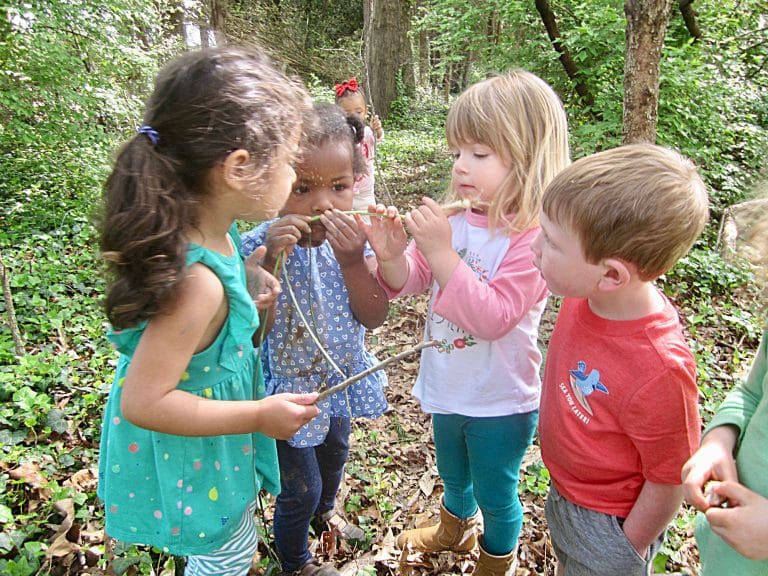
Montessori classrooms depend upon a web of mutual respect. This culture of respect is established from the very beginning: from how the classroom is arranged and sized for the children,
In Montessori we love to explore how our language shapes our thinking, so we often explore the etymology of words. The word geography comes from the Greek geo, which means
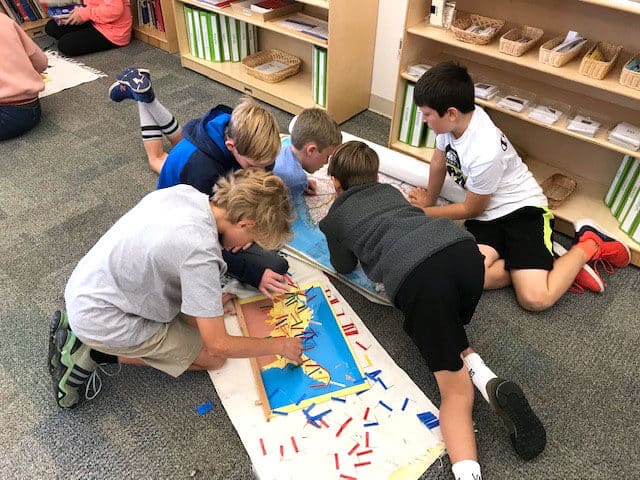
When children enter a Montessori elementary classroom around age six, they have undergone a great transformation. Whereas they previously wanted and needed to explore their immediate environment on a sensorial

Between mass media and family travel, young children are exposed to all sorts of language about their planet. They may hear phrases like “going around the world,” “as the world
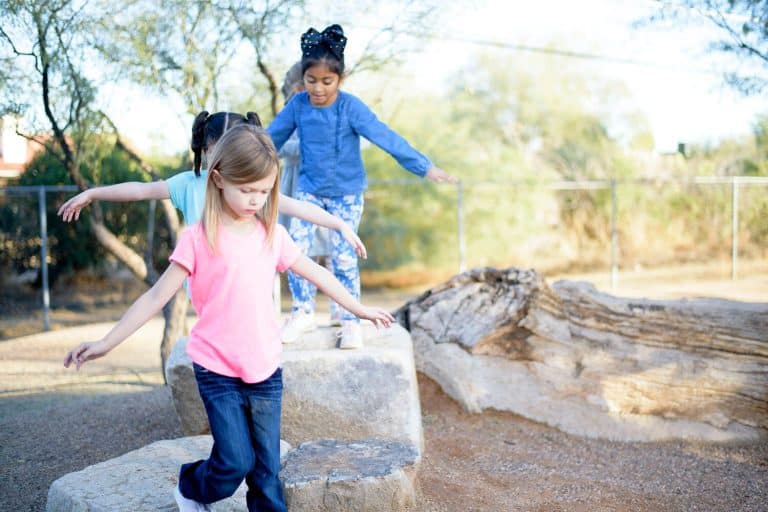
It can seem like our elementary children are only focused on friends (and frenemies!) during their elementary years. We hear about what happened at recess or who they sat with

There is more to preparing for citizenship than learning civics. We live in times where elections and exercising our citizenship is vital to the preservation of democracy. Schools have an
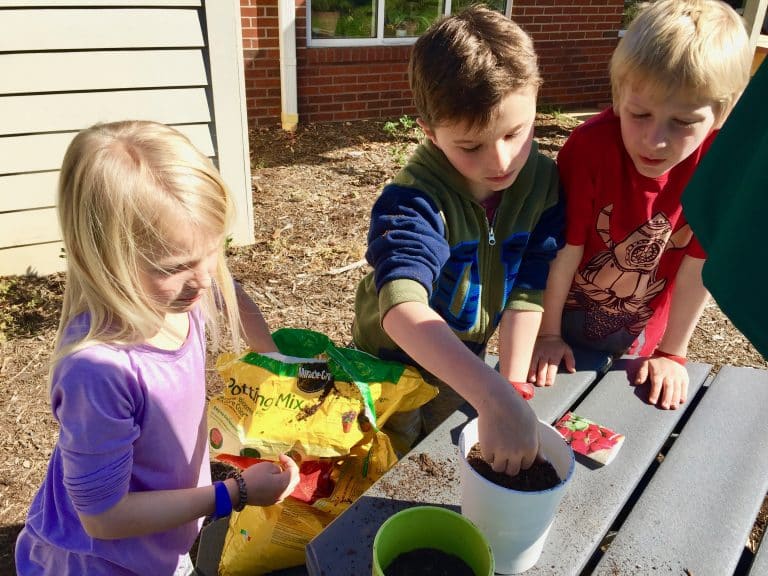
The Reasoning Mind Key characteristics of the second plane child is the high level of independent thinking and the rapid growth of his powers to reason and go beyond his
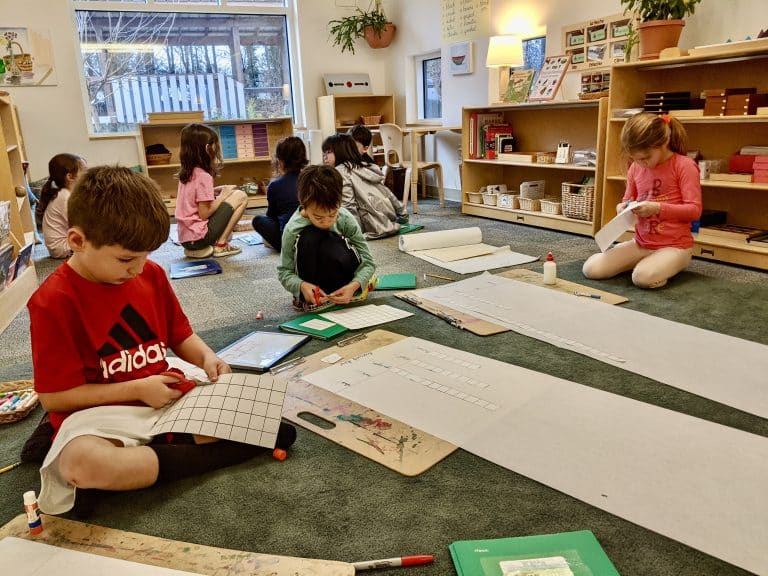
In chapter 2 titled “Metamorphoses” of her book From Childhood to Adolescence, Dr. Montessori explores the elementary child’s “turning towards intellectual and moral” development: “The passage to the second level
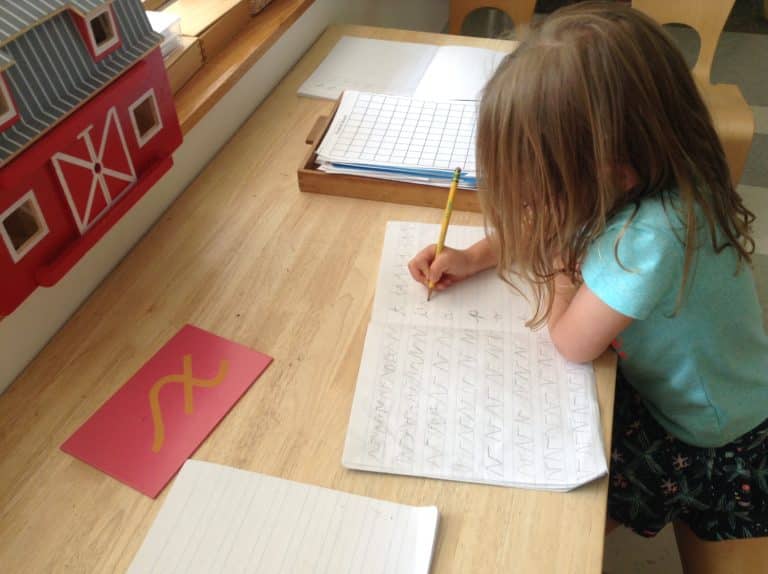
INTRODUCTORY REMARKS As the newborn fixes upon the sounds of human speech, and exercises the physical mechanisms needed to articulate these sounds, the mind stores impressions of meaning. The simultaneous